
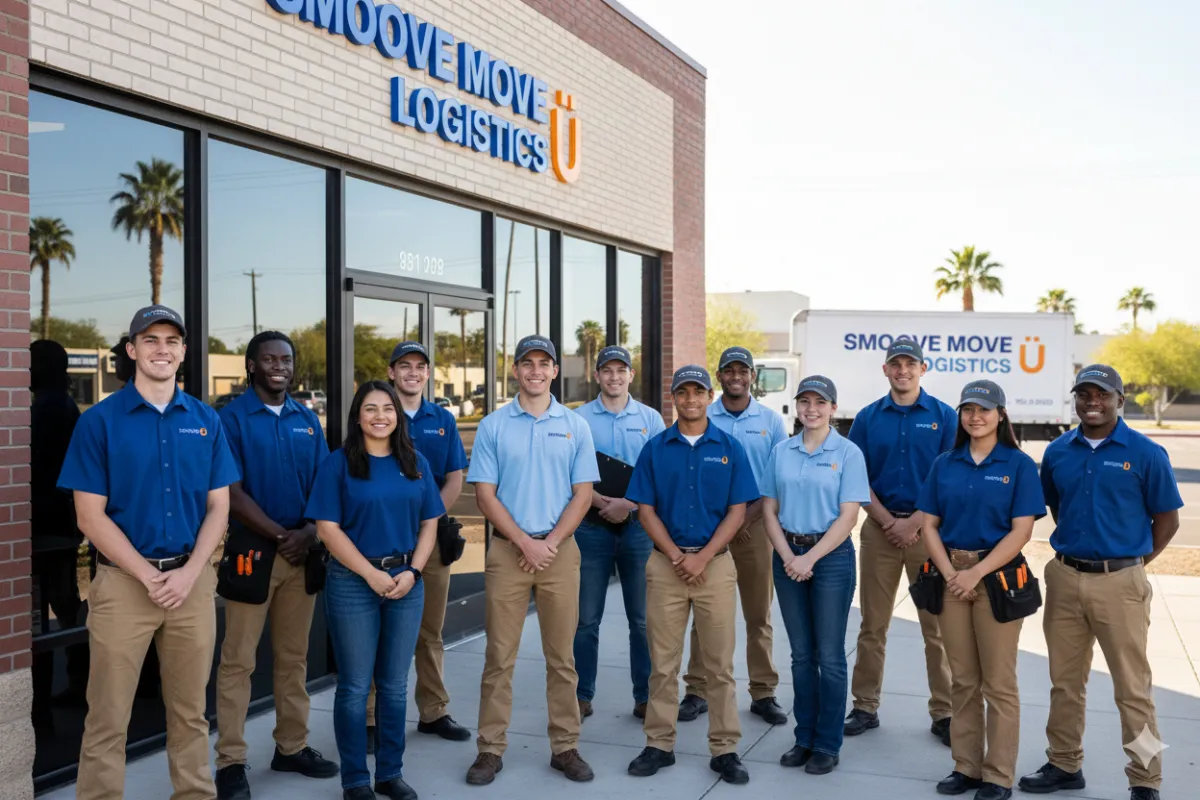
Exactly How We Saved a Same-Day Move

Exactly How We Saved a Same-Day Move on W Peoria Ave (85029) Yesterday, In 2 Hours Flat
Yesterday on W Peoria Ave in 85029, the clock wasn’t just ticking, it was sprinting. The customer had a same-day deadline, limited parking, and a few heavy pieces that don’t forgive rushed handling. Add North Mountain Village’s mix of older homes, retail lots, and industrial traffic on a busy avenue, and a “simple” move can turn into a mess fast.
This part of Phoenix can feel like a puzzle. A driveway that looks open at noon can be blocked by deliveries at 1. A short walk on the map becomes a long carry when the truck can’t sit where you planned. We pulled it off in two hours because we treated the first minutes like an emergency room intake: fast, calm, and focused. Here’s the play-by-play and the exact steps that made it work.
What went wrong, and why W Peoria Ave can punish a last-minute plan
The original plan fell apart in a familiar way. Help that was “confirmed” didn’t show. The truck they expected was smaller than it needed to be. A few key supplies were missing (the kind you only notice when you try to protect a dresser corner on a tight turn). None of it was malicious or careless, it’s what happens when a move comes together at the last second.
W Peoria Ave is not a forgiving place for guesswork. In 85029, you get a lot of variety packed into a small area: older properties with narrow side gates, garages filled to the rafters, and streets that can swing from quiet to busy depending on deliveries and school traffic. Mixed-use pockets mean you might share curb space with work vans, box trucks, and customers flowing in and out of nearby businesses.
Parking is the silent deadline-killer here. If the truck can’t get close, every item turns into extra minutes, and extra fatigue. Even in January, the Phoenix sun can dry you out faster than you expect, which makes rushed lifting riskier. The difference between finishing on time and missing the window often comes down to two things: carry distance and order of operations.
The first 10 minutes, the quick check that kept us from wasting time
We didn’t start by lifting. We started by confirming the facts that affect speed.
Addresses and access: exact pickup and drop-off points, gate codes, and which door was the real “go door.”
Stairs, turns, and door widths: quick measurements with eyes and tape, not guesses.
Bulky and fragile items: mattress, dresser, TV, glass, and anything awkward.
Parking options: curb space, driveway angle, and the shortest legal walking path.
Then we set one simple goal: first box out fast. When the first box moves early, momentum follows, and everyone stops second-guessing.
The 3 biggest bottlenecks on a busy avenue, and how we avoided them
On Peoria, the main threats are predictable.
First is parking and carry distance. We positioned the truck to shorten the heaviest carries, not the easiest ones. A spotter stayed curbside to watch mirrors, guide backing, and keep the path clear.
Second is traffic and truck positioning. We chose an angle that let us load without stepping into traffic. When curb space is tight, a clean truck position beats a perfect one.
Third is mixed-use driveways and surprise vehicles. Cars come and go. Delivery trucks appear out of nowhere. We kept walkways clear and avoided spreading boxes across shared areas. If cones are allowed on-site, they help signal “active loading,” but we never assume permission. Practical habit beats risky improvisation.

Exactly how we finished the move in 2 hours flat, step by step
The key was treating the move like a timed relay, not a casual weekend project. A neighbor later asked which Moving company in 85029 could move that quickly on a busy road. The honest answer is that speed came from discipline, not luck.
We split the work into roles and stuck to them. One person led and called decisions, one loaded and packed the truck like a puzzle, and one ran boxes and kept the path flowing. Nobody freelanced, because freelancing creates pileups.
We also avoided the “everything goes to the door” trap. Instead, we staged items in a tight zone inside the home, then moved them out in steady waves. That kept the entry clear and prevented doorframe hits when two people tried to squeeze through at once.
For readers comparing same-day options, it helps to understand the difference between labor-only help and full-service. Some services focus on loading and unloading labor (useful if you already have a truck), like Phoenix moving labor options. Others market true last-minute scheduling with trucks and crews, like same-day movers in Phoenix. Either way, the win comes from clear info and a tight plan.
Minute-by-minute game plan, roles, routes, and the order we loaded
0 to 15 minutes: We walked the route, chose the main exit, and protected the highest-risk corners (door jambs, tight turns, and the first hallway bend). The runner started on light boxes to build space and speed. The lead identified “heavy first” items and cleared small clutter that causes trips.
15 to 45 minutes: We wrapped and moved the big furniture in a specific order: bulky pieces first, then medium, then boxes. The loader built a stable base in the truck with weight low and tight, then filled gaps with boxed items. If the garage or driveway is usable, it cuts steps, so we used it for short staging instead of long indoor stacking.
45 to 90 minutes: This is where moves usually slow down, so we kept the pace by batching. The runner moved boxes by room zone, not one-by-one random trips. The lead handled the awkward items (mattress, dresser) with clean commands so nobody twisted or rushed. The loader kept the truck balanced and didn’t let “just toss it in” happen.
90 to 120 minutes: Final sweep, last load, and controlled unload at the destination. We unloaded essentials first so the customer could function immediately, then furniture, then the bulk of boxes to the right rooms.
How we protected the home and the schedule at the same time
Fast doesn’t mean careless. We used quick padding where it matters most: corners, doorframes, and anything with a sharp edge. Tight turns got extra attention, because that’s where gouges happen.
We also kept a small “do not load until the end” group together: tool bag, meds, chargers, keys, and paperwork. Those items disappear easily in a same-day move because everyone’s brain is in sprint mode.
Before we left, we did a fast final sweep plus a photo checklist on the empty rooms and the truck bay. It takes minutes and saves hours of panic later.

If you need a same-day move in 85029, here’s how to set yourself up to win
Same-day moves don’t fail because people don’t care. They fail because the plan is fuzzy, the path is blocked, and the crew learns the hard details too late. In north Phoenix, small details matter more because curb space and traffic patterns change quickly around mixed residential and business areas.
If you only have a few hours, focus on reducing decisions. The goal is to turn your move into repeatable actions: clear path, labeled boxes, known heavy items, and a parking plan that doesn’t rely on hope.
If you’re weighing providers, you’ll see many last-minute options advertised, like last-minute movers in Phoenix. The important part is what you tell them before they arrive, because that’s what shapes crew size, truck choice, and timing.
The 30-minute prep list that makes movers faster right away
Clear a walking path from the main door to the biggest items.
Pack a first-night tote
(clothes, toiletries, chargers, snacks).
Label by room and priority (kitchen, main bedroom, “open first”).
Set aside valuables you’ll carry yourself.
Empty drawers if needed, especially on heavy dressers.
Hold a parking spot safely with a friend’s car if appropriate for your location.
Have water ready, plus a trash bag for last-minute loose items.
What to tell a mover on the phone so the quote and timing stay honest
Use a simple script: “I’m at (address). It’s (floor level). There are (stairs or no stairs). The heaviest items are (list). The carry is (short or long). Parking is (driveway, curb, or tight). There’s a gate code (if any). My time window is (range), and ‘same-day’ means I need to be done by (hard deadline).”
Mention if you’re near mixed-use areas or industrial spaces, because delivery traffic can affect parking and pace.
Conclusion
That two-hour save on W Peoria Ave came down to a few repeatable moves: fast triage in the first minutes, a smart parking plan, clear roles, a load order that protected weight and space, and simple protection on the tight turns. We finished strong because we didn’t waste steps, and we didn’t let small chaos multiply.
If you need same-day help in 85029, share the real details up front and ask for a plan, not just a price. When time is tight, clarity is what buys you speed.





